Let's talk about the side effect nobody warns you about
Your doctor hands you a prescription, explains what it does, and somewhere in that conversation you hear the words "sexual side effects." You nod. You take the medication anyway because it helps your depression, anxiety, or hormonal balance. And then a few weeks in, desire just vanishes. The thought of sex feels distant. Your body doesn't respond like it used to. You're healthier overall, but sexually you feel numb.
This is real. It's common. And it's not something you have to accept as the price of your health.
Here's what I want you to know upfront: rebuilding desire when medications change your libido is possible, and it doesn't require stopping your meds or waiting for it to "come back on its own." The right approach involves understanding what's happening physiologically, being honest with your partner if you have one, and using tools like clitoral vibrators strategically to wake up sensation again.
How medications actually tank sexual desire
Different drugs work different ways. SSRIs (selective serotonin reuptake inhibitors) like sertraline or paroxetine often reduce genital sensation and make it harder to reach orgasm. They can lower dopamine, which is central to sexual motivation. Hormonal birth control suppresses testosterone, which drives desire in everyone. Some blood pressure medications restrict blood flow. The mechanism varies, but the outcome is similar: less sensation, less motivation, less physical response.
Here's the part that matters: this doesn't mean your capacity for pleasure is gone. Your brain hasn't forgotten how to want things. Your nerve endings are still there. What's changed is the chemical context in which arousal happens. That's important because it means the fix isn't psychological (you're not broken), and it's not something shame will solve. It's biochemical, which means you can work with it.
Why clitoral vibrators work when desire is flat
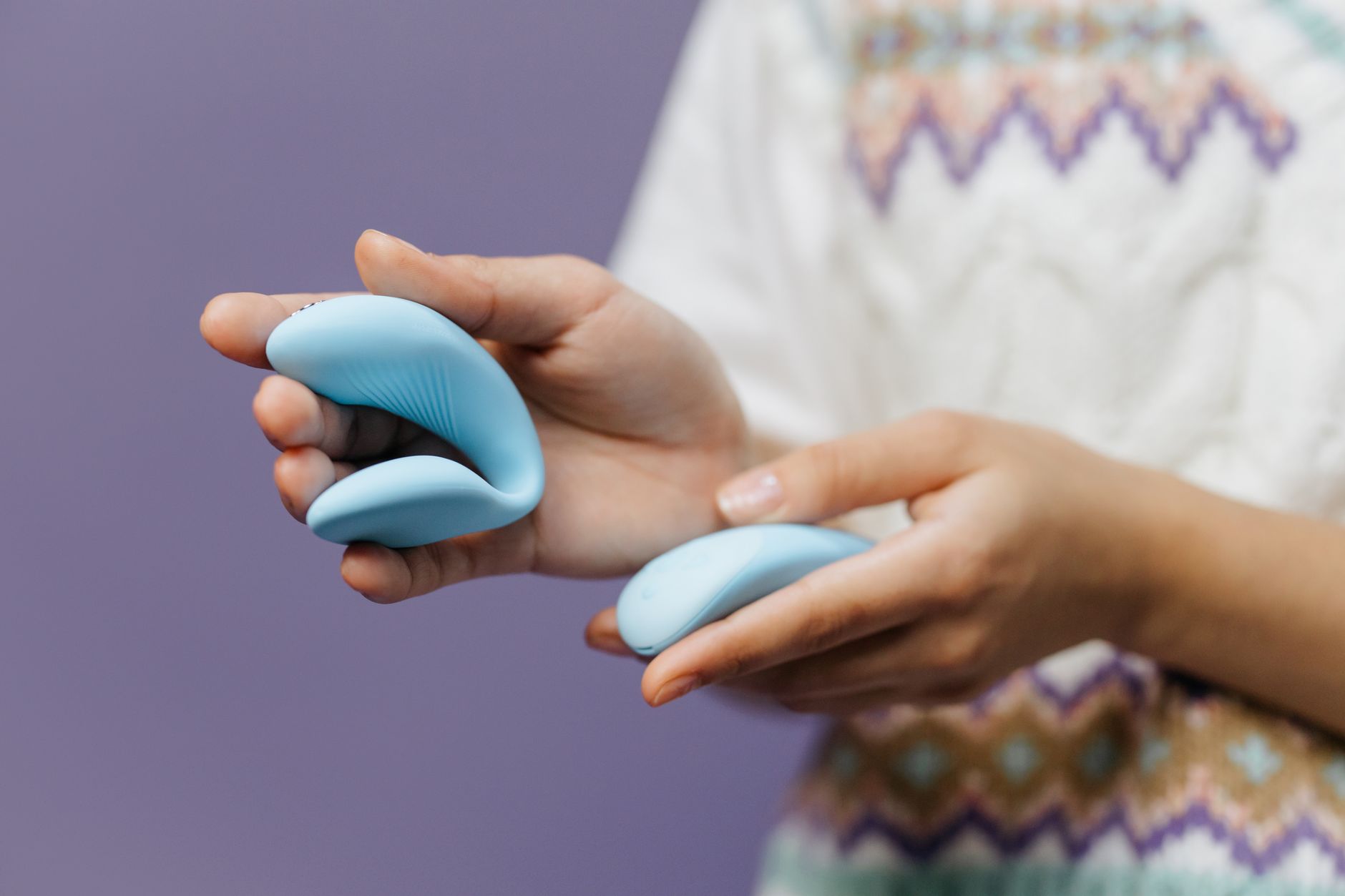
When your own body isn't generating enough sensation to trigger arousal, external stimulation can jumpstart the process. Lemon vibrators like the Lem use suction technology that mimics the sensation of oral sex in a way that feels more intense and concentrated than manual stimulation. For people whose meds have dampened sensation, that concentrated stimulation can cut through the numbness in a way nothing else does.
The mechanism is physical, not psychological. You're not trying to "get in the mood." You're directly stimulating the thousands of nerve endings in your clitoral complex in a way that registers despite the chemical suppression. Many of my clients report that once they start using a lemon clitoral vibrator, they feel something shift. Not instant orgasm necessarily, but sensation that feels like theirs again.
The timeline for rebuilding: what to expect
This isn't fast. I'm going to be honest about that upfront.
Week one to two: you'll probably feel the physical sensation of the vibrator, but it might not translate to arousal yet. That's okay. You're reintroducing your body to stimulation. Some people feel self-conscious during this phase. That's normal.
Week two to four: you might notice sensation starting to register as pleasure rather than just sensation. You might not reach orgasm, but something begins shifting. Your body starts remembering what stimulation feels like.
Week four to eight: for many people, this is when desire starts rebuilding. Not instantly, and not necessarily every time, but increasingly.
The timeline varies wildly based on the medication, how long you've been on it, your overall stress, and relationship dynamics. If nothing shifts after eight weeks, it's worth talking to your prescriber about dose adjustment or switching medications. Some SSRIs are less likely to cause sexual side effects than others.
How to actually use a lemon vibrator in this scenario
First, drop the guilt about "needing help." You're not broken because you need external stimulation to feel pleasure. You're using a tool to work around a medication side effect, the same way you'd use a heating pad for muscle pain caused by a medication.
Start alone. Set aside time without pressure. Twenty minutes, no expectation of orgasm. Use the Lem on its lowest setting. The point isn't to finish. It's to reintroduce your body to sensation.
Use lubricant, even if you normally didn't need it. Medications can reduce natural lubrication. A water-based lube makes the experience more pleasant and lets you focus on sensation instead of discomfort.
Be patient with your body. Some days sensation will register clearly. Other days it won't. This isn't failure. Medication affects your nervous system on a neurochemical level. Consistency matters more than results on any single day.
After a few weeks, if you have a partner, involve them. Not because they need to "fix" this for you, but because isolation around sexuality often makes the situation worse. Let them know what's happening. If they're interested, they can use the lemon vibrator on you, or you can use it together. The shared experience of rebuilding pleasure often strengthens intimacy more than pretending nothing is wrong.
The conversation with your doctor (and your partner)
If sexual side effects are genuinely impacting your quality of life, tell your prescriber. Don't minimize it. This is a valid reason to discuss alternatives. Some options your doctor might suggest:
Dose reduction. Sometimes lowering the dose slightly reduces side effects without losing therapeutic benefit.
Timing adjustment. Taking your medication at a different time of day can help.
Drug switch. Some SSRIs cause fewer sexual side effects. Bupropion, for example, often increases rather than decreases desire.
Augmentation. Adding a medication that counteracts sexual side effects is sometimes effective.
With a partner, the conversation is different. You're not asking permission or apology. You're saying: "My medication is affecting my desire. Here's what I'm doing about it. I'd like your patience while I rebuild this, and here's what would actually help." That might be using lemon vibrators together, more foreplay, or simply taking pressure off traditional sex while you work through this.
When medications change, so does your arousal blueprint
One thing I see often: people expect their desire to "come back" exactly as it was before. It might not. The good news is it can come back better. Many people find that rebuilding desire after medication side effects actually teaches them something about their own pleasure they didn't know before. They learn what genuinely turns them on versus what they thought they "should" want. They become more attuned to their body because they've had to pay attention to rebuild sensation.
Use a clitoral vibrator not as a Band-Aid, but as a tool to reconnect with what feels good in your new neurochemical reality. That distinction matters. You're not forcing pleasure. You're rewiring the pathway between your nervous system and sensation in a way that works with your current body, not against it.
FAQ: rebuilding desire when medications change libido
How long does it take for libido to come back after starting antidepressants?
It varies widely. Some people experience side effects that plateau after a few weeks. Others find that desire doesn't return without intervention. If you're six to eight weeks in and nothing has shifted, that's the time to talk to your prescriber about alternatives rather than waiting longer. Using clitoral vibrators during this phase can help your body remember sensation and accelerate the process.
Is it normal to have zero sexual interest while on SSRIs?
Yes, it's a documented side effect affecting roughly 40 to 60 percent of people on SSRIs. But documented doesn't mean permanent. Working with your doctor to find the right medication or dose, combined with strategies like using lemon vibrators, can help rebuild desire even while staying on medication.
Can I use a clitoral vibrator if I'm on medication that affects sensation?
Absolutely. In fact, the concentrated stimulation from a lemon clitoral vibrator often works better when sensation is dampened than more subtle forms of stimulation. Start on lower settings and work up. You're specifically using the vibrator to counteract numbness, so it's a legitimate therapeutic use.
Should I tell my partner about sexual side effects, or will that make things worse?
Telling them is almost always better than not. Secrecy around sexual side effects often leads to misunderstanding, rejection, or resentment. Your partner will likely imagine something about the relationship is wrong. Explaining the actual cause and what you're doing about it (including rebuilding pleasure together with tools like lemon vibrators) usually strengthens connection rather than weakening it.
Does stopping the medication fix sexual side effects immediately?
Sometimes, but not always. And stopping medication that's treating depression or another condition isn't a solution. If sexual side effects are severe enough to outweigh the benefit of the medication, talk to your prescriber about alternatives. But in most cases, finding the right tool to rebuild pleasure while staying on medication is the better path.
Can medication-related sexual side effects be permanent?
They're almost never truly permanent. Once you stop the medication, sensation and desire typically return over weeks or months. While on medication, rebuilding desire takes patience and the right approach, but it's possible for the vast majority of people.
The bottom line
Your medication helps you. Your health matters. And your pleasure matters too, not as a luxury, but as part of being a whole person. When medications flatten desire, that's a signal to problem-solve, not suffer silently. Talk to your doctor. Talk to your partner. And give yourself permission to use tools like lemon vibrators not as compensation for being broken, but as a bridge back to pleasure while your body adjusts to new chemistry. Desire rebuilds. It just takes strategy, honesty, and patience.