Here's what nobody tells you about sensitivity and age
Around your early 40s, something shifts. The vibrator intensity that used to feel perfect now feels aggressive. Direct contact that once worked starts to feel raw or overstimulating. Your body hasn't broken. Your nerve endings have actually become more responsive. This is real, it's common, and it changes how you use a lemon vibrator entirely.
I work with clients constantly who think they've lost capacity for pleasure. What's actually happened is their capacity has sharpened. The signal has gotten louder. That's not a loss.
Why clitoral nerve density changes (and gets better)
Your clitoris contains roughly 8,000 nerve endings packed into a space smaller than a pea. For decades, these nerves fire in a particular pattern. Then, typically between 35 and 50, something recalibrates. Some research suggests this relates to hormonal shifts, changes in pelvic floor tension, and the way neural pathways reorganize. Others point to decades of knowing your own body finally paying off. Probably it's both.
What matters clinically is this: heightened sensitivity doesn't mean you need less stimulation. It means you need smarter stimulation. A lemon clitoral vibrator, with its precision suction mechanism, becomes genuinely useful here in a way it might not have been at 25.
The difference between intensity and precision
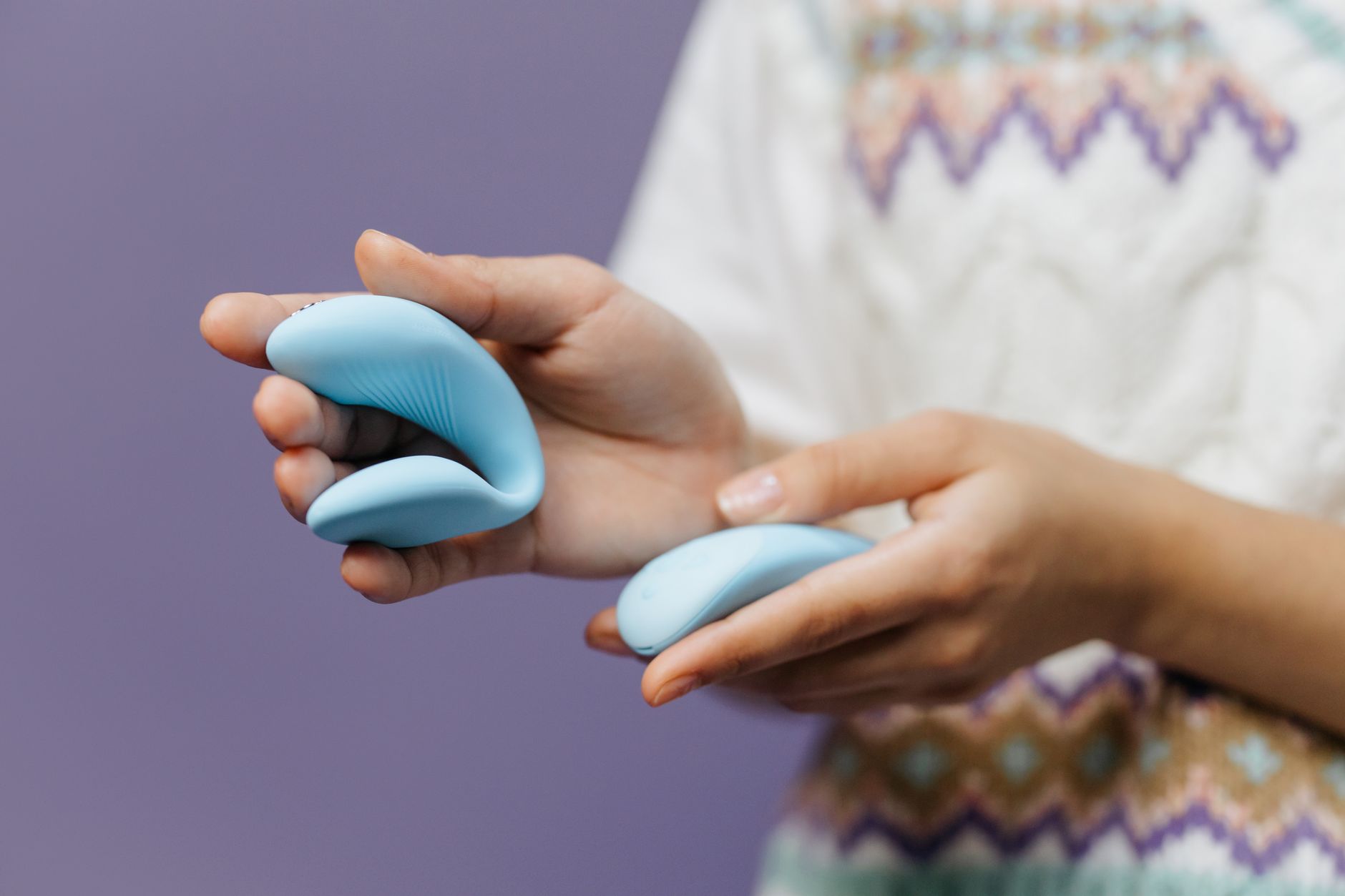
Most vibrators work through amplitude (how hard they shake). When your sensitivity ramps up, more shake feels like too much. What you actually want is precision. The Lem vibrator uses air-pulse suction technology, which targets the clitoral bulb without the mechanical friction of traditional vibration. This matters more as sensitivity increases because you're getting targeted stimulation without overwhelming the tissue.
Think of it like the difference between floodlights and a spotlight. At 25, maybe floodlights felt good. At 45, a well-aimed spotlight often works better.
Practical adjustments for increased sensitivity
If you own a lemon vibrator or other clitoral suction toy and sensitivity has changed, here are the moves:
Start at the lowest setting, always. This isn't negotiable. Pattern 1 on most devices should be your baseline. You can always escalate. You can't un-feel overstimulation once it's happened.
Use the ghost touch technique. Don't place the suction head directly on your clitoris. Position it just above or to the side, letting the air pulse create sensation without direct contact. This filters the intensity while maintaining precision. After a minute or two, you can move it closer if you want. Most of the time, you won't.
Extend your warm-up. Increased sensitivity is easier to navigate when you're properly aroused. Take 10-15 minutes before introducing the toy. By the time you bring in your lemon vibrator or other clitoral tool, your body is ready to respond precisely rather than defensively.
Layer lubrication. Water-based lube isn't just for partnered sex. A thin layer between your skin and the toy head buffers intensity without reducing sensation. It actually makes the device feel more refined, not less.
Why direct contact feels different now
At higher sensitivity levels, direct contact between the suction head and your clitoris can trigger what feels like static in your nervous system. It's not pain exactly. It's more like overstimulation at the nerve level. Your body sends mixed signals: yes and no simultaneously. This is genuinely unpleasant and totally fixable.
The lemon suction mechanism is designed for this because air-pulse toys, by nature, create a gentle seal rather than pressing hard. This means you're getting oscillation without trauma. It's one reason these tools gained traction among people experiencing heightened sensitivity.
Building orgasm differently as sensitivity peaks
Orgasm patterns often shift with increased sensitivity. Instead of a long climb followed by a release, you might find that sensitivity peaks quickly and plateaus. This is actually a feature, not a bug. It means you can reach very intense sensation states with minimal effort. The job becomes learning to pace yourself.
Try this: start with pattern 1 or 2, maintain it for 2-3 minutes until your arousal settles into that rhythm, then escalate by one setting. Pause. Let your body absorb it. This builds orgasm deliberately rather than chasing intensity. Many of my clients report that the orgasms they build this way feel deeper and longer than the quick, sharp ones they used to pursue.
When sensitivity tips into pain
If you're experiencing actual pain, sharp burning, or persistent numbness after using your lemon vibrator or any clitoral toy, that's worth attention. Heightened sensitivity is one thing. Pain is a different conversation. This can signal genitourinary syndrome, nerve compression, or occasionally an allergic reaction to toy material.
See a pelvic health specialist or gynecologist if pain persists. Meanwhile, dial back frequency and duration. Use lube generously. Stick to the lowest settings. Your body is telling you something, and listening is faster than powering through.
The partner conversation (if that applies to you)
If you're with a partner, increased sensitivity often confuses them. They might think your body is rejecting pleasure or that something's wrong. It helps to separate the facts from the narrative. You're not less interested. Your nervous system is simply more responsive. You need different conditions, not less stimulation.
Invite them to observe. Show them the ghost touch technique. Explain that you're actually experiencing more sensation with less pressure. Frame it as an upgrade, because honestly, for many people it is.
FAQ: Sensitivity, age, and lemon vibrators
Why did my clitoris get more sensitive after I turned 40?
Hormonal shifts, changes in pelvic floor tone, and rewiring of neural pathways all play a role. You're not imagining it. This is documented in clinical observation and sexual medicine. Your body hasn't malfunctioned. Your sensory signal has just gotten clearer.
Can I still use a lemon vibrator if sensitivity is very high?
Absolutely. In fact, air-pulse lemon suction toys are often better for high sensitivity than traditional vibrators because they work through gentle oscillation rather than intense shaking. Start at the lowest setting, use the ghost touch positioning, and layer with lube. Most people find this setup dramatically more comfortable.
Is heightened sensitivity permanent?
It typically increases gradually through your 40s and early 50s, plateaus, and then may shift again as hormone levels stabilize. Some people report it eases slightly post-menopause. Others find it persists as their baseline. The good news is that once you know how your body responds, you can adjust technique accordingly.
Should I avoid vibrators altogether if sensitivity increased?
No. That's like avoiding a knife because a dull blade hurts. A dull blade hurts because it requires pressure. A sharp one does the work precisely. Lemon clitoral vibrators and similar precision tools often feel better to highly sensitive bodies than stronger traditional vibrators. It's about matching the tool to your current sensitivity.
Can I use my old vibrator on a lower setting?
Maybe. If it was already a gentler model, stepping down the intensity might work. If it was always a high-intensity toy, the lower settings might still feel overstimulating because the technology isn't designed for precision. Many people find that upgrading to a tool designed for sensitive bodies (like lemon suction vibrators) works better than downgrading an old toy.
What if sensitivity is so high that no vibrator feels good?
First, make sure you're truly aroused and lubricated before using any toy. Second, try nonvibrating external stimulation for a while. Your nervous system might need a recalibration period. Third, see a pelvic health specialist. Sometimes heightened sensitivity masks underlying tension or nerve issues that respond well to physical therapy. It's not a limitation forever.
The real thing about sensitivity and pleasure
Increased clitoral sensitivity often gets framed as a loss. Hotter takes it as decline. Actually, it's often the opposite. You're getting more signal from less input. Your body is more responsive, not less. The lemon vibrators and clitoral suction tools that work beautifully for this usually cost the same as lower-quality vibrators, and they deliver precision instead of brute force.
Once you recalibrate your technique and your expectations around how pleasure feels now, most people report that sex gets sharper, more intense, and more reliably satisfying than it was before. Your 40s and 50s aren't the end of your sexual prime. For many, they're the beginning of it.
Ready to explore how your body is responding? Start with the lowest setting, patience, and the knowledge that what you're experiencing isn't broken. It's evolved.